Last Updated on June 10, 2026 by Wildlife Inc
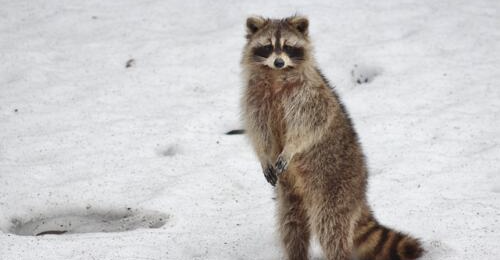
If you’ve heard scratching in your attic late at night, found your trash cans knocked over two mornings in a row, or noticed a musky smell coming from under your deck, there’s a decent chance a raccoon has moved in. It happens far more often than most homeowners realize, especially in Denver neighborhoods where older trees, mature landscaping, and residential greenbelts offer these animals perfect cover.
Raccoons in Colorado are remarkably smart, adaptable, and surprisingly strong. A loose soffit vent or a rotted fascia board is all the invitation they need to force their way inside. Once they have established a den, getting them out safely—and making sure they stay out—requires much more than a standard trap from the local hardware store. Once they’re in, getting them out safely and keeping them out takes more than setting a trap from the hardware store. That is exactly why local homeowners turn to seasoned experts like Wildlife, Inc.—recognized by ThreeBestRated® as one of Denver’s top-rated wildlife removal companies.
Here’s what Denver homeowners and property managers should actually know about raccoon removal.
Why Raccoons Are Such a Problem in Denver Specifically
Denver’s urban layout works directly in the raccoons’ favor. Because the city sits right at the edge of foothills habitat, local properties deal with wildlife that is equally comfortable in wild terrain and dense residential areas. Neighborhoods like Washington Park, Stapleton, and Highlands report frequent raccoon activity—not because those areas are rural, but because mature trees and easy access to water sources like Cherry Creek and the Platte River give raccoons exactly what they look for.
They are also year-round problems, not seasonal visitors. Raccoons in Colorado do not hibernate. While they may slow down during the coldest stretches of winter, they remain active year-round, meaning an infestation can strike at any time.
The real trouble escalates when a female slips into your attic or crawlspace to have her kits. At that point, the removal process becomes significantly more complicated, sensitive, and urgent.
Signs You Have a Raccoon Problem (Not Just a Visitor)
A raccoon passing through your yard is one thing. A raccoon that’s taken up residence is another. Here are the signs that separate the two:
- Noises in the attic at night. Raccoons are nocturnal. Heavy footsteps, rolling sounds, or chattering above the ceiling after dark are strong indicators. Squirrels move faster and lighter; raccoons’ movement is slow and deliberate.
- Damage to your roof line or soffits. Look for bent or pulled-back aluminum flashing, torn soffit vents, or scratch marks along the roofline. Raccoons will physically pry openings wider to get in.
- Fecal material near entry points. Raccoons often defecate near where they’re living. This is a health concern; raccoon feces can carry Baylisascaris procyonis, a roundworm that’s dangerous to humans and pets.
- Knocked-over or broken trash containers. Not conclusive on its own, but combined with other signs, it’s part of the picture.
- A strong ammonia-like odor coming from your attic or walls. Accumulated urine soaks into insulation and wood over time. Once you smell it, there’s been ongoing habitation.
Why You Shouldn’t Try to Handle It Yourself
This comes up a lot, and the answer isn’t just about legality (though Colorado does have regulations around trapping and relocating wildlife). The bigger issue is safety and effectiveness. This high standard of expertise is why organizations like the Denver Broncos, Colorado Rockies, FedEx, and Taco Cabana trust Wildlife, Inc. as their official service provider.
Raccoons can carry rabies, distemper, and leptospirosis. They’re not naturally aggressive toward humans, but a cornered raccoon, especially a mother protecting kits, is unpredictable and capable of serious injury. Standard gloves and a hardware store trap aren’t going to cut it.
Beyond the capture itself, improper trapping can separate a mother from kits she’s nursing, leaving babies behind in your walls or attic. Without intervention, that turns into a much worse problem: dead animals, odor, and secondary pest issues. Wildlife, Inc.’s raccoon control process accounts for this specifically, using what’s called an “eviction process” during birthing season — a method that triggers the female to move her kits out on her own rather than risk leaving any behind.
How Professional Raccoon Removal Actually Works
A reputable wildlife removal company doesn’t just set a trap and call it done. There’s a process, and it matters.
Step one is inspection. A certified tech walks the property and the structure to identify every point where animals are getting in, not just the obvious ones. Raccoons are opportunistic, and sealing one entry point without finding the others means you’ll have the problem again in weeks.
Step two is removal. Outside of birthing season, this means humane live trapping and relocation. During birthing season (typically late winter through spring in Colorado), the eviction fluid method described above is used instead. Both approaches are covered under Wildlife, Inc.’s Best Top Rated Raccoon Removal Service.
Step three is exclusion and repair. This is where the work gets structural. Entry points are sealed using stainless steel and heavy-gauge materials, not foam or mesh that a raccoon can tear through again. Damaged soffits, fascia, and vents are repaired. Wildlife, Inc. backs this work with a lifetime warranty on re-entry, which matters more than most people realize upfront.
Step four is cleanup. Raccoon waste left in an attic is a biohazard. Contaminated insulation needs to come out, the area needs to be treated with bacterial and germicidal applications, and fresh insulation has to be blown back in. Skipping this step means you’re still breathing in airborne contaminants even after the animals are gone. Attic restoration services cover exactly this, full removal of soiled material, fumigation, and insulation replacement.
What to Expect from a Denver-Area Call
If you’re in the Denver metro and dealing with suspected raccoon activity, Wildlife, Inc.’s Denver location operates out of 4610 S Ulster St and serves the greater Denver area, including surrounding communities. Their Colorado team also handles calls from Aurora, Boulder, Fort Collins, Colorado Springs, and across the Colorado front range.
Initial inspections include a full exterior assessment of the property, and the team that shows up is either a certified wildlife biologist or an expertly trained technician, not a general pest control crew with a trap in the truck. That distinction matters when you’re dealing with a situation that has health, legal, and structural implications.
Hours run Monday through Saturday, 8 AM to 6 PM local time. Denver: (720) 669-7797.
A Few Things That Won’t Work (and Might Make It Worse)
Since this comes up in almost every client conversation, here’s a quick rundown:
- Mothballs. The smell dissipates fast and doesn’t deter raccoons. It also creates indoor air quality problems for you.
- Ultrasonic repellers. There’s no credible evidence that these work on raccoons, and animals habituate to new sounds quickly.
- Cayenne pepper or ammonia around entry points. Mildly irritating at best, and ineffective once rain hits.
- Relocating a trapped raccoon yourself. In Colorado, moving a raccoon without proper licensing is regulated, and releasing it too close to its capture site means it’ll be back within days.
The frustrating reality is that once raccoons have established a den in your structure, DIY deterrents don’t fix the actual problem; they may just delay it.
Don’t Wait on This One
A single raccoon that found a warm spot in October can turn into a mother with four kits by March. The longer you wait, the more damage accumulates, torn insulation, contaminated air space, structural compromise at entry points. Most homeowners who call a professional say they wish they’d done it sooner.
If you’re in Denver or anywhere along the Colorado Front Range and you’re seeing signs, it’s worth getting a professional eye on them. Wildlife, Inc. has been handling raccoon removal and wildlife control in Colorado since 2000, and the inspection is the right place to start.
Don’t wait until the damage is extensive. Contact Wildlife, Inc. – 2026’s Best Top Rated Wildlife Removal Company today!