Bobcat Control
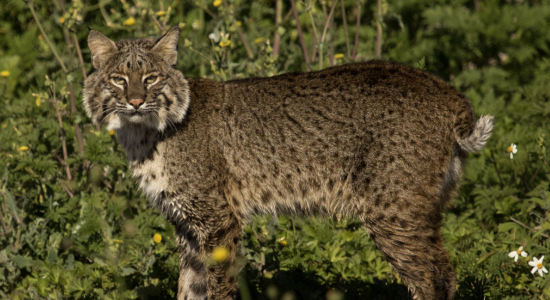
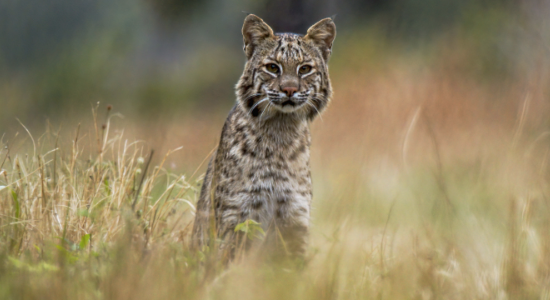
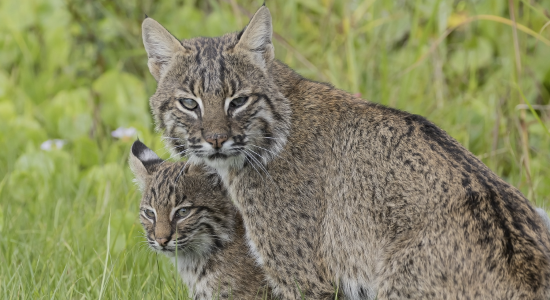
Bobcats are native wild cats found throughout Florida, including residential edges, wooded properties, agricultural land, golf communities, preserves, and areas where natural habitat meets developed neighborhoods. They are typically elusive, but recurring sightings may occur where prey, cover, water, or sheltered travel routes are readily available.
Wildlife, Inc. provides professional Florida wildlife control services for properties experiencing repeated bobcat activity or wildlife conflicts. Our team evaluates tracks, travel routes, possible denning areas, prey activity, landscape conditions, and the locations where sightings are occurring.
Bobcats may move along wooded edges, drainage corridors, fence lines, preserve boundaries, open fields, and other low-traffic areas while hunting or traveling through their territory. A single sighting does not always mean that a bobcat has established a den or is repeatedly using the property, so identifying the pattern of activity is an important part of the inspection.
Depending on the circumstances, recommendations may include monitoring, attractant reduction, prey-management recommendations, access changes, exclusion around livestock or poultry areas, and other property-specific measures designed to reduce recurring conflicts.
Recognized as 2026’s Best Top Rated Wildlife Removal Company by ThreeBestRated®, Wildlife, Inc. develops bobcat control and removal recommendations according to confirmed activity, property conditions, landowner authorization, and applicable wildlife regulations.
Bobcat Removal & Property Assessment
Bobcat removal should begin with confirming how often the animal is using the property and whether the activity represents a recurring wildlife conflict or an occasional pass-through. Bobcats may travel across wooded edges, fence lines, drainage corridors, preserve boundaries, open fields, agricultural land, and low-traffic areas while searching for prey or moving through established territory.
Wildlife, Inc. inspects the property for tracks, repeated sighting locations, possible denning areas, prey activity, travel routes, and conditions that may encourage continued use. Poultry areas, small livestock enclosures, dense vegetation, unsecured feed, outdoor pet food, and areas with frequent rabbit or rodent activity may require closer review.
Depending on the circumstances, recommendations may include monitoring, attractant reduction, prey-management recommendations, stronger exclusion around poultry or livestock areas, access changes, and other site-specific measures. Trapping or removal is only considered when appropriate and must follow applicable wildlife regulations and any permit requirements.
Residential acreage, farms, equestrian properties, commercial sites, and communities bordering preserves or natural areas may each require a different control approach. Wildlife, Inc. develops bobcat control and removal recommendations according to confirmed activity, property conditions, landowner authorization, and applicable requirements.
For broader service information, visit our Florida wildlife control services.
Bobcat Prevention, Deterrence & Property Mitigation
Reducing repeat bobcat activity usually depends on making the property less attractive for hunting, shelter, and routine travel. Bobcats may continue using the same wooded edges, fence lines, drainage corridors, preserve boundaries, fields, and low-traffic areas when prey and cover remain readily available.
Wildlife, Inc. reviews the property for conditions that may support recurring activity, including outdoor pet food, unsecured feed, dense vegetation, brush piles, rodent or rabbit activity, poultry enclosures, livestock areas, and gaps along fences or other access routes.
Property-mitigation recommendations may include removing outdoor food sources, improving feed storage, trimming dense vegetation, reducing shelter for prey species, strengthening poultry or livestock enclosures, improving fencing where practical, and monitoring the locations where tracks or sightings occur most often.
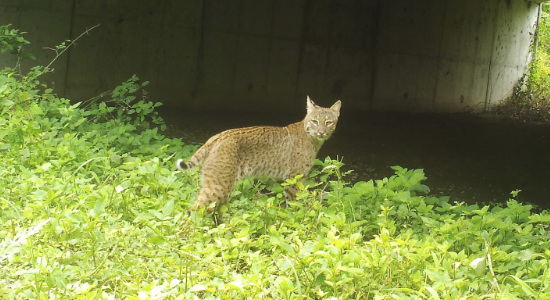
Trail cameras and repeated sighting records can also help determine whether a bobcat is routinely using the property or simply passing through. This allows control recommendations to focus on active travel routes and conflict areas rather than treating a single sighting as an established problem.
Wildlife, Inc. develops bobcat control, deterrence, removal, and property-mitigation recommendations according to confirmed activity, site conditions, landowner authorization, and applicable wildlife regulations. For broader service information, visit our Florida wildlife control page.
Florida Bobcat Control Service Areas
Wildlife, Inc. provides professional bobcat control, property inspections, activity monitoring, deterrence recommendations, and wildlife conflict management for Florida homes, acreage, farms, equestrian properties, commercial sites, and communities bordering natural areas. Local service pages address bobcat sightings, travel routes, prey activity, possible denning areas, poultry or livestock concerns, and property conditions that may encourage repeat activity.
Bobcat Control FAQs
Are bobcats common in Florida?
Yes. Bobcats are native to Florida and may be found around wooded properties, preserves, agricultural land, golf communities, drainage corridors, and neighborhoods bordering natural habitat. They are usually elusive, but sightings may become more frequent where prey, cover, and travel routes are readily available.
What attracts bobcats to a property?
Bobcats may use properties that provide access to prey, water, cover, or quiet travel routes. Rabbit and rodent activity, outdoor pet food, unsecured feed, dense vegetation, brush piles, poultry areas, and natural edges may contribute to repeated activity.
What should I do if I see a bobcat on my property?
A single sighting does not always indicate an established problem. Avoid approaching or feeding the animal, secure outdoor food sources, supervise small pets, and document where and when sightings occur. Repeated activity can be evaluated through a professional property inspection and monitoring plan.
How does Wildlife, Inc. evaluate bobcat activity?
Wildlife, Inc. reviews tracks, sighting locations, travel routes, prey activity, fence lines, wooded edges, possible denning areas, poultry or livestock spaces, and other property conditions that may explain recurring bobcat activity.
Can bobcats be trapped and relocated in Florida?
Bobcat trapping and removal are regulated in Florida and may require specific licenses or permits depending on the circumstances and method used. Live-captured bobcats must be released in accordance with applicable Florida wildlife regulations, so Wildlife, Inc. evaluates each situation before recommending a control approach.
How can I discourage bobcats from returning?
Property recommendations may include removing outdoor food sources, securing feed, trimming dense vegetation, reducing shelter for prey species, strengthening poultry or livestock enclosures, improving fencing where practical, and monitoring recurring travel routes.
Does Wildlife, Inc. provide bobcat control for farms and commercial properties?
Yes. Wildlife, Inc. can provide property inspections, monitoring, deterrence recommendations, and wildlife conflict management for residential acreage, farms, equestrian properties, commercial sites, golf communities, and other properties experiencing repeated bobcat activity.