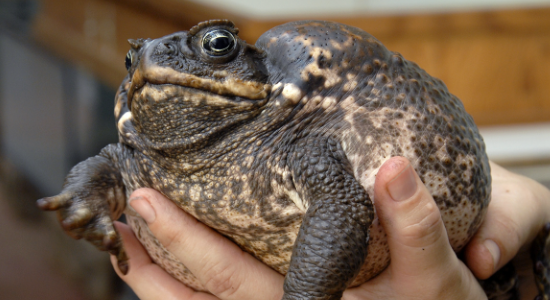
Cane Toad Control
Cane toads are invasive amphibians also known as bufo toads, giant toads, or marine toads. They may gather around Florida yards, ponds, canals, drainage areas, patios, landscaped communities, commercial properties, and other locations with moisture, insects, shelter, or accessible pet food.
Wildlife, Inc. provides professional Florida wildlife control services that include property inspection, cane toad identification, activity assessment, removal planning, and practical recommendations for reducing repeat activity. Correct identification is important because native Florida toads should not be treated as invasive cane toads.
Common signs of cane toad activity include repeated nighttime sightings, toads gathering near outdoor lights, pet-feeding areas, ponds, canals, pools, irrigation zones, dense vegetation, and low openings around structures. Wildlife, Inc. evaluates where the toads are active, what may be attracting them, and which areas of the property require closer attention.
Depending on the property and confirmed activity, service recommendations may include humane capture and removal, monitoring, shelter reduction, standing-water management, outdoor food-source control, vegetation management, and sealing low access points where practical.
Recognized as 2026’s Best Top Rated Wildlife Removal Company by ThreeBestRated®, Wildlife, Inc. provides professional trapping, control, and removal planning for residential communities, commercial sites, landscaped properties, and waterfront areas.
Cane Toad Removal
Cane toad removal begins with confirming that the animal is an invasive cane toad rather than a native Florida toad. Cane toads are also commonly called bufo toads, marine toads, or giant toads. They are often active after dark and may gather near ponds, canals, pools, irrigation systems, patios, outdoor lighting, pet-feeding areas, and landscaped spaces where insects and moisture are available.
Wildlife, Inc. inspects the property to identify where the toads are being seen, which areas provide shelter, and what may be encouraging repeat activity. Common hiding areas include dense vegetation, landscape debris, gaps beneath sheds, low openings around structures, drainage features, and shaded ground near water.
Based on the inspection, recommendations may include manual capture and removal, nighttime monitoring, vegetation management, outdoor food-source control, standing-water reduction, debris cleanup, and practical exclusion around low access points. Because cane toads are nonnative, they should not be relocated and released elsewhere after capture.
Property conditions vary, so a waterfront home may require a different control plan than an inland community, commercial property, golf course, or landscaped apartment complex. Wildlife, Inc. develops cane toad trapping, control, and removal recommendations according to confirmed activity, landowner authorization, site access, and applicable requirements.
Property owners looking for broader help with invasive or nuisance wildlife can also review our professional wildlife control services.
Cane Toad Prevention & Property Mitigation
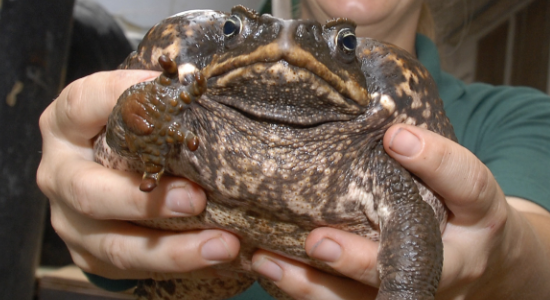
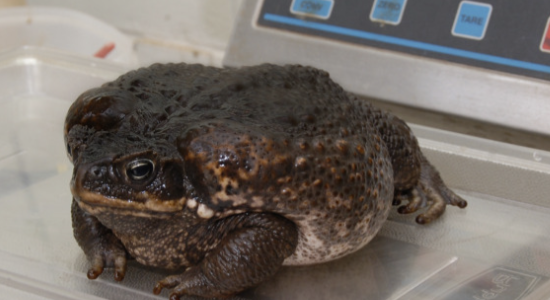
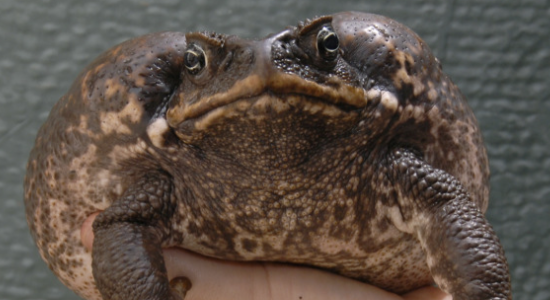
Reducing repeat cane toad activity often requires changes to the conditions that draw them onto a property. These invasive toads commonly remain near moisture, insects, outdoor food sources, dense ground cover, shaded hiding places, and low openings around structures.
Wildlife, Inc. reviews the property for conditions that may support ongoing activity, including pet food left outdoors, standing water, leaking irrigation, open drainage areas, landscape debris, overgrown vegetation, gaps beneath sheds, and sheltered spaces near patios, pools, ponds, canals, and foundations.
Property-mitigation recommendations may include removing outdoor food and water bowls after use, reducing standing water where practical, trimming dense vegetation, clearing debris, improving drainage, limiting insect-attracting conditions around exterior lighting, and closing low access points where appropriate.
Monitoring may also be recommended around waterfront edges, irrigation zones, pool equipment, drainage corridors, and other areas where cane toads are repeatedly seen after dark. These steps can help identify active zones and make future control and removal work more targeted.
Wildlife, Inc. develops cane toad control, removal, and property-mitigation recommendations based on confirmed activity, site conditions, landowner authorization, and applicable requirements. For information about broader services throughout the state, visit our Florida wildlife control page.
Florida Cane Toad Control Service Areas
Wildlife, Inc. provides professional cane toad control, inspection, removal, monitoring, and property-mitigation recommendations for Florida homes, waterfront properties, communities, golf courses, commercial sites, and managed landscapes. Each local service page includes city-specific information about cane toad activity near ponds, canals, pools, irrigation zones, patios, pet-feeding areas, drainage features, and dense vegetation.
Cane Toad Control FAQs
What is a cane toad?
A cane toad is a large, nonnative amphibian found in parts of Florida. It is also commonly called a bufo toad, giant toad, or marine toad. Proper identification matters because native Florida toads should not be treated as invasive cane toads.
Where are cane toads commonly found around Florida properties?
Cane toads are often seen near ponds, canals, pools, irrigation zones, patios, outdoor lights, pet-feeding areas, dense vegetation, drainage features, and other places that provide moisture, insects, food, or shelter.
How does Wildlife, Inc. inspect a property for cane toads?
Wildlife, Inc. reviews where cane toads have been seen, when activity occurs, and which parts of the property may provide food, water, cover, or access. The inspection may include landscaped areas, waterfront edges, drainage zones, patios, sheds, exterior lighting, and low openings around structures.
What does cane toad control include?
Cane toad control may include species identification, property inspection, activity monitoring, capture and removal planning, vegetation management, standing-water reduction, outdoor food-source control, debris cleanup, and practical exclusion around low access points.
Can captured cane toads be relocated?
No. Captured cane toads may not be relocated and released elsewhere. Wildlife, Inc. develops removal recommendations according to landowner authorization, site conditions, and applicable Florida requirements.
How can I reduce cane toad activity around my property?
Property owners may reduce activity by removing outdoor pet food and water bowls after use, addressing standing water where practical, trimming dense vegetation, clearing landscape debris, improving drainage, and limiting sheltered areas near patios, pools, ponds, canals, and structures.
Does Wildlife, Inc. provide cane toad control for commercial properties?
Yes. Wildlife, Inc. can develop cane toad control and removal recommendations for residential communities, commercial properties, golf courses, managed landscapes, waterfront sites, and other properties with confirmed activity.