Feral Hog Control
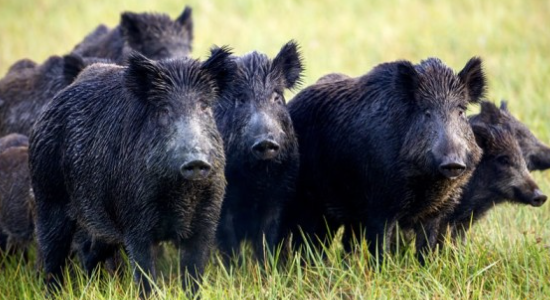
Feral hog control addresses activity from free-ranging swine that may be described as wild hogs, wild pigs, feral pigs, feral swine, wild boars, or piney woods rooters. These animals can move through residential acreage, farms, golf courses, equestrian properties, preserve edges, wetlands, commercial landscapes, and managed open spaces while searching for food, water, and cover.
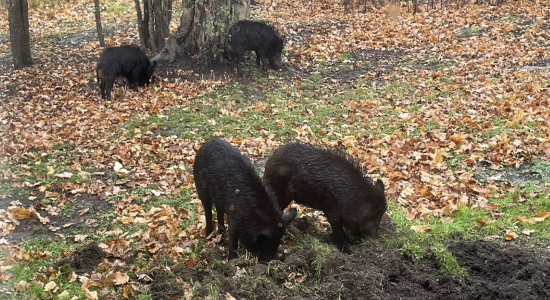
Feral hog activity is often identified by broad areas of rooted soil, lifted sod, hoof tracks, muddy wallows, damaged irrigation zones, disturbed pasture, flattened vegetation, and repeated travel paths. Because wild pigs are frequently active at night or during low-traffic periods, property owners may notice fresh damage before seeing the animals directly.
Wildlife, Inc. begins with a property inspection and activity assessment to determine where feral hogs are entering, which areas are being used, and what conditions may contribute to repeat visits. Recommendations may include monitoring, trapping and control planning, fence-line review, access-route management, attractant reduction, and practical changes around gates, feed, water sources, drainage crossings, and affected landscape areas.
Wildlife, Inc. follows applicable requirements and develops recommendations based on the property, confirmed activity, landowner authorization, and site access. Recognized as 2026’s Best Top Rated Wildlife Removal Company by ThreeBestRated®, our team provides professional trapping, control, and removal planning for residential, agricultural, equestrian, commercial, and managed properties.
Feral Hog Removal & Property Management
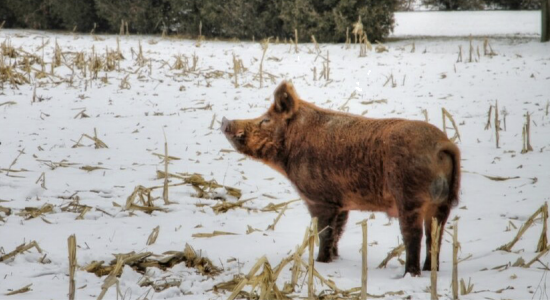
Feral hog removal requires a site-specific plan because wild pigs can travel across large areas and may use more than one feeding, watering, or shelter location. Animals described as feral hogs, wild hogs, wild pigs, feral pigs, or feral swine may move between wooded cover, pasture, wetlands, drainage corridors, golf-course turf, landscaped communities, and agricultural property.
Wildlife, Inc. begins with an inspection of the affected property. Our team reviews rooting patterns, hoof tracks, muddy wallows, damaged sod, fence-line openings, water access, food sources, and repeated travel routes. This helps determine whether the site is being used for feeding, movement, or recurring nighttime activity.
Depending on the property and confirmed activity, recommendations may include monitoring, trapping and removal planning, access-route management, fence-line improvements, and attractant reduction. Gates, damaged fencing, drainage crossings, low points beneath barriers, feed-storage areas, fallen fruit, waste, irrigation zones, and nearby water sources may all require closer attention.
Residential acreage, farms, equestrian properties, golf courses, preserves, commercial landscapes, and managed open spaces may each require a different control approach. A small area of isolated rooting may not need the same response as a large property with several active zones and recurring feral hog movement.
Wildlife, Inc. develops control and removal recommendations according to property conditions, landowner authorization, site access, and applicable requirements. Our goal is to address active wild pig activity while helping property owners reduce the conditions that may encourage repeat use of the site.
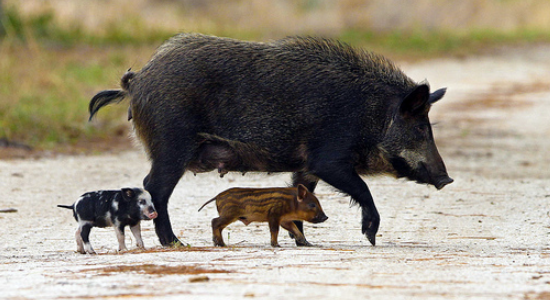
Feral Hog Exclusion, Monitoring & Mitigation
Wildlife, Inc. provides professional feral hog control, trapping, removal planning, and property-management recommendations for homeowners, farms, equestrian sites, golf courses, commercial properties, and managed land. Wild hogs, feral pigs, wild pigs, and feral swine may disturb turf, pasture, irrigation areas, gardens, fence lines, drainage corridors, and other outdoor spaces while searching for food, water, and shelter.
Our team evaluates rooting damage, hoof tracks, wallows, travel routes, access points, and property conditions before recommending the appropriate control approach. Service recommendations may include monitoring, trapping strategies, fence-line improvements, attractant reduction, access management, and practical changes around gates, feed, water sources, and affected landscape areas.
Wildlife, Inc. develops each feral hog control plan according to confirmed activity, landowner authorization, site access, and applicable requirements. Contact Wildlife, Inc. for professional wild pig control and removal planning.
Florida Feral Hog Control Service Areas
Wildlife, Inc. provides professional feral hog control, trapping, removal planning, activity monitoring, and property-management recommendations for homes, farms, equestrian properties, golf courses, commercial sites, and managed land throughout Florida. Each local page includes city-specific information about wild hog damage, travel routes, access points, fencing, attractant reduction, and property-specific control planning.