Last Updated on June 10, 2026 by Wildlife Inc
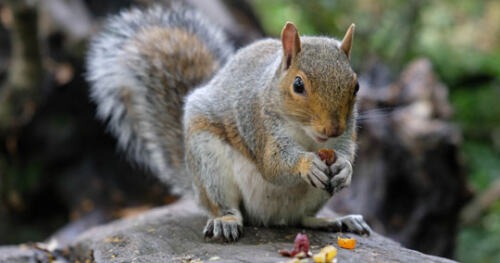
If you have been hearing quick scratching, chewing, or running sounds above the ceiling—especially early in the morning—there may be squirrels in your attic. Denver homes with mature trees, accessible rooflines, and small gaps around soffits or vents can give squirrels an easy path indoors. Once inside, they may tear apart insulation, chew wood and wiring, and build nests in areas that are difficult for homeowners to reach.
Squirrels are agile, persistent, and capable of squeezing through surprisingly small openings. A damaged roof vent, loose fascia board, uncapped chimney, or gap near the eaves may be all they need to enter. Setting a cage trap without locating the entry point rarely solves the full problem. Effective squirrel removal requires safe trapping, a careful inspection, and repairs that prevent the animals from returning.
That is why Denver homeowners and property managers rely on Wildlife, Inc. for professional squirrel removal, control, and exclusion. Recognized by ThreeBestRated® as one of 2026’s Best Top Rated Squirrel Removal Companies in Denver, our team knows how to identify squirrel activity, remove the animals safely, and protect vulnerable areas of the home.
Here is what Denver property owners should know when squirrels move into an attic, chimney, soffit, or roofline.
Why Squirrels Get Into Denver Homes
Denver has many established neighborhoods with mature trees, older rooflines, and homes located close to parks, greenbelts, and other natural corridors. These features make it easy for squirrels to travel from tree branches to roofs and search for sheltered nesting areas. Properties in Washington Park, Park Hill, the Highlands, Central Park, and other tree-lined areas may be especially attractive when branches extend close to the roof.
Squirrel problems often become more noticeable during nesting periods or when colder weather pushes animals to look for protected spaces. Attics provide warmth, shelter, and nesting material, while soffits, roof vents, and chimney openings can provide convenient access.
The damage can grow quickly once a squirrel settles inside. Squirrels may chew electrical wiring, damage insulation, stain ceilings, or create larger openings around the roof. If a female has built a nest and has young inside, squirrel removal becomes more sensitive because the entire family must be located before the entry point is sealed.
Signs You Have a Squirrel Problem, Not Just a Visitor
Seeing a squirrel run across the roof or through the yard does not always mean it is living inside your home. The following signs point to an active squirrel infestation that may require professional squirrel removal:
- Scratching or running sounds during the day. Squirrels are most active in the early morning and late afternoon. Fast footsteps, chewing, or rolling sounds above the ceiling during daylight hours often indicate squirrels in the attic.
- Damage around the roofline or soffits. Look for gnaw marks, loose vent covers, torn screens, damaged fascia, or openings near the eaves. Squirrels may enlarge an existing gap until it is large enough to enter.
- Chewed wiring, wood, or insulation. Like other rodents, squirrels continually gnaw to control the growth of their teeth. This behavior can damage structural materials and create an electrical fire risk when wiring is exposed.
- Nesting material in the attic. Shredded insulation, leaves, twigs, paper, and fabric may indicate that a squirrel has built a nest inside the structure.
- Droppings or urine stains. Waste may accumulate near nesting areas, attic access points, roof vents, or wall cavities. Over time, contaminated insulation can contribute to unpleasant odors and poor indoor air quality.
- Repeated squirrel activity near one section of the roof. A squirrel that returns to the same soffit, vent, chimney, or roof gap may be using that area as an entry point.
Why You Should Not Try to Remove Squirrels Yourself
A cage trap may appear to offer a quick solution, but trapping one squirrel does not address the opening it used to enter. Other squirrels may continue using the same access point, or a trapped adult may have young hidden inside the attic or wall.
DIY squirrel control can also create new problems. Closing an entry point too early may trap an animal inside the building. Moving a trap without understanding local wildlife requirements may put both the homeowner and the animal at risk. A frightened squirrel can bite or scratch when handled, and attempting to chase one through an attic can push it deeper into the structure.
This is why organizations such as the Denver Broncos, Colorado Rockies, FedEx, and Taco Cabana have trusted Wildlife, Inc. for professional wildlife service. Our approach addresses the animals, their entry points, and the damage they leave behind.
Professional squirrel removal in Denver is designed to solve the full infestation instead of providing a temporary fix.
How Professional Squirrel Removal Works
A dependable squirrel removal company does more than place a trap and leave. The process should identify how the squirrels entered, remove every animal safely, protect the home against re-entry, and address contaminated areas.
Step one is a complete inspection. A trained technician examines the roofline, attic, vents, soffits, fascia, chimney, and other potential entry points. The inspection also helps determine whether the activity involves one squirrel, several animals, or a female with young.
Step two is humane squirrel trapping or removal. The appropriate method depends on the location of the animals, the structure, and whether young squirrels are present. The goal is to remove the entire squirrel family without leaving animals trapped inside the building.
Step three is exclusion and repair. After the squirrels are removed, vulnerable openings must be secured with durable wildlife-resistant materials. Damaged vents, soffits, fascia, roof gaps, and other access points may also need repair. Foam alone is not a permanent squirrel control solution because squirrels can chew through weak materials and reopen the gap.
Step four is attic cleanup. Squirrels may leave droppings, urine, nesting material, damaged insulation, and unpleasant odors behind. When contamination is extensive, affected material may need to be removed and the area cleaned before new insulation is installed. Our attic restoration services can address damaged insulation, animal waste, odor, and other conditions caused by wildlife activity.
What to Expect When You Call for Squirrel Removal in Denver
When you contact Wildlife, Inc. about suspected squirrel activity, our team will ask where you are hearing sounds, when the activity occurs, and whether you have noticed visible roof damage or an entry point. Those details help us understand whether squirrels may be nesting in the attic, walls, soffits, chimney, or another part of the structure.
A property inspection includes an exterior assessment and an examination of accessible interior areas where activity has been reported. Our technicians look for entry points, chewing damage, nesting material, droppings, contaminated insulation, and other signs of an active infestation.
Wildlife, Inc. provides squirrel control and wildlife removal services throughout Denver and nearby Colorado communities, including Aurora, Boulder, Arvada, Lakewood, Westminster, and surrounding communities along the Colorado Front Range.
For squirrel removal in the Denver area, call (720) 210-0994.
Squirrel Deterrents That Usually Do Not Solve the Problem
Homeowners often try repellents before calling a squirrel removal service. These methods may briefly change the animals’ behavior, but they rarely remove an established nest or close the opening that allowed squirrels to enter.
- Mothballs. Mothballs are not a reliable squirrel control method and should not be scattered through an occupied attic. Their fumes may also create indoor air quality concerns.
- Ultrasonic repellers. Squirrels may initially react to an unfamiliar sound, but they can become accustomed to it. These devices also do nothing to repair the entry point.
- Bright lights or a radio in the attic. Light and noise may temporarily disturb a squirrel, but an animal with a protected nest may simply move to another part of the attic.
- Store-bought scent repellents. Sprays and granules lose strength over time and may become ineffective after exposure to heat, moisture, or ventilation.
- Sealing the hole immediately. Closing an opening before confirming that every squirrel has left can trap animals inside. It may also separate a mother from young that cannot leave on their own.
- Trapping one squirrel and stopping there. Capturing a single animal does not prove that the attic is empty. The original entry point also remains available unless it is professionally repaired.
The lasting solution is to combine squirrel removal or trapping with exclusion work. Removing the animals without securing the structure leaves the home vulnerable to another infestation.
Do Not Let Squirrel Damage Continue
A squirrel problem rarely resolves itself once the animals have established a nest inside an attic or wall. Continued chewing can damage wiring, wood, vents, insulation, and other building materials. Nesting squirrels may also create new openings or enlarge existing gaps around the roof.
The sooner the structure is inspected, the easier it is to identify the entry point and limit additional damage. Wildlife, Inc. has provided professional wildlife removal, trapping, exclusion, and property repair services since 2000.
For broader animal problems, our wildlife control services address animals entering attics, crawlspaces, walls, chimneys, and other areas of residential and commercial properties.
Do not wait until the chewing, contamination, or roof damage becomes more extensive. Contact Wildlife, Inc., recognized by ThreeBestRated® as one of 2026’s Best Top Rated Squirrel Removal Companies in Denver.